The presence of microplastics in water intended for human consumption is an emerging pollutant and a concerning one.
Various international agencies (WHO, EFSA, European Union and EPA) have begun monitoring the issue. The first steps have involved defining a standard methodology for measuring them (EU Decision 2024/1441).
Link: https://eur-lex.europa.eu/legal-content/EN/ALL/?uri=OJ%3AL_202401441
In December 2025, the European Parliament tasked EFSA (European Food Safety Authority) with conducting a detailed study to provide a scientific opinion on the risks to human health related to the presence of microplastics in food, water and air. The official opinion is expected by 2027.
Link: https://www.efsa.europa.eu/en/news/microplastics-european-parliament-requests-scientific-advice-efsa
The DWD, or Drinking Water Directive established in 2020, will soon include microplastics in the Watch List. This will require EU Member States to monitor this emerging pollutant, with the goal of defining limit thresholds for water intended for human consumption in the near future (hopefully).
While waiting for regulations, the topic of microplastics is becoming increasingly relevant to the public. At a recent national conference promoted by GWS, we had the opportunity to hear both the deeply scientific perspective and the more accessible, educational one (link to Tessa).
What are microplastics
The legal definition.
“Microplastic: a small, distinct solid object, insoluble in water and composed partially or entirely of synthetic polymers or chemically modified natural polymers.”
In simpler terms, microplastics are small plastic particles smaller than 5 millimeters, present in the environment, which can be: • the result of the degradation of larger plastic materials, known as secondary microplastics • or intentionally produced in micro form, known as primary microplastics
The size of microplastics
They range from a visible size of 5 mm down to the micron level, below which they become nanoplastics (although we will continue to refer to them as microplastics for simplicity).
A large portion of microplastics are therefore invisible to the human eye. Scientific instrumentation is required to detect them.
The smallest particles, below one micron, are potentially the most harmful to human health because they can more easily penetrate human tissues and organs.
The shape of microplastics
This is another important factor influencing their level of risk. Scientific literature indicates that fibrous materials (particularly those originating from textiles) are associated with higher risk, as are microplastics with irregular shapes.
Different polymers and microplastics
Polymers differ from one another. Some have a greater tendency to distribute within human tissues and induce toxic effects.
Below is a comparative overview.
Polystyrene (PS) – Risk: High tissue penetration; release of additives | Health effects: Oxidative stress, inflammation, cytotoxicity | Notes: Widely studied, negative effects observed even at low doses
Polyethylene (PE) – Risk: Strong translocation capacity; widespread presence | Health effects: Intestinal inflammation; immune system effects | Notes: High permeability in tissues
Polyethylene terephthalate (PET) – Risk: Ability to cross biological barriers | Health effects: Oxidative stress and cytotoxicity | Notes: High translocation capacity
Polyester (fibers) – Risk: Inhalable fibrous form; transport of contaminants | Health effects: Pulmonary accumulation; respiratory inflammation | Notes: Most common polymer found in human samples
Polyamide (Nylon) – Risk: Inhalable microfibers; high presence in food | Health effects: Respiratory inflammation; lung accumulation | Notes: Frequently found in water and food samples
Polyurethane (PU) – Risk: Possible release of toxic additives Health effects: Cytotoxicity Notes: Present in tissues and industrial materials
How to protect against microplastics
First and foremost, produce less of them. It is a simple truth.
For those present in water, while waiting for defined threshold limits and parameters for water utilities, a mechanical barrier is needed to stop suspended substances at sub-micron levels.
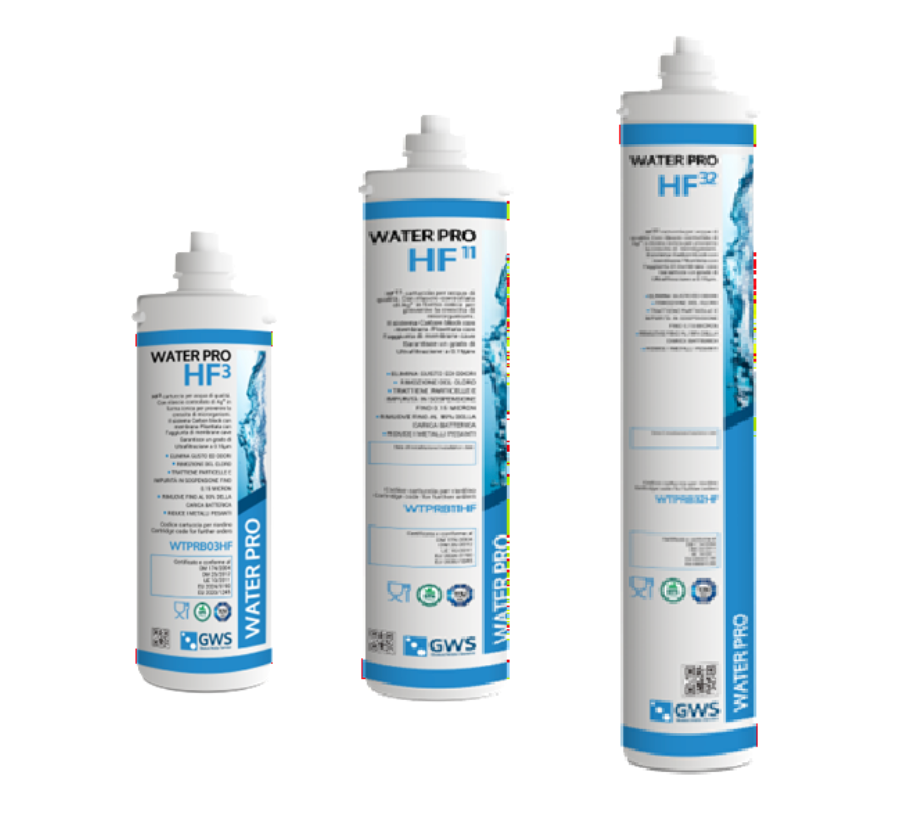
For example, hollow fiber membranes combined with high-quality activated carbon represent an effective and relatively simple solution for both domestic and public use.
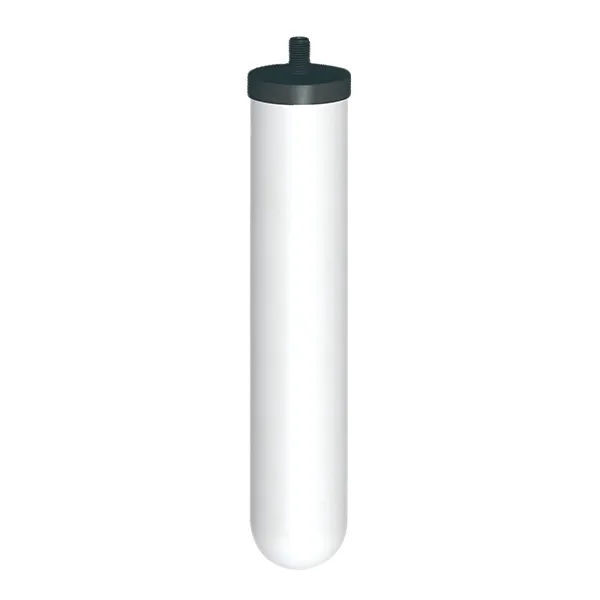
Ceramic filters are also a valid tool to reduce the presence of microplastics in tap water.
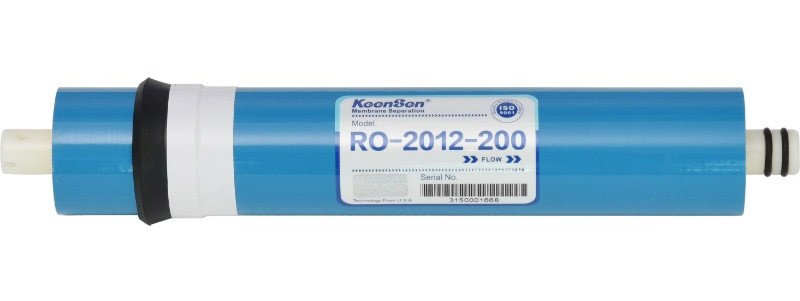
Reverse osmosis is certainly a drastic and definitive solution, however, if used solely to remove microplastics, it is clearly excessive.