6 May

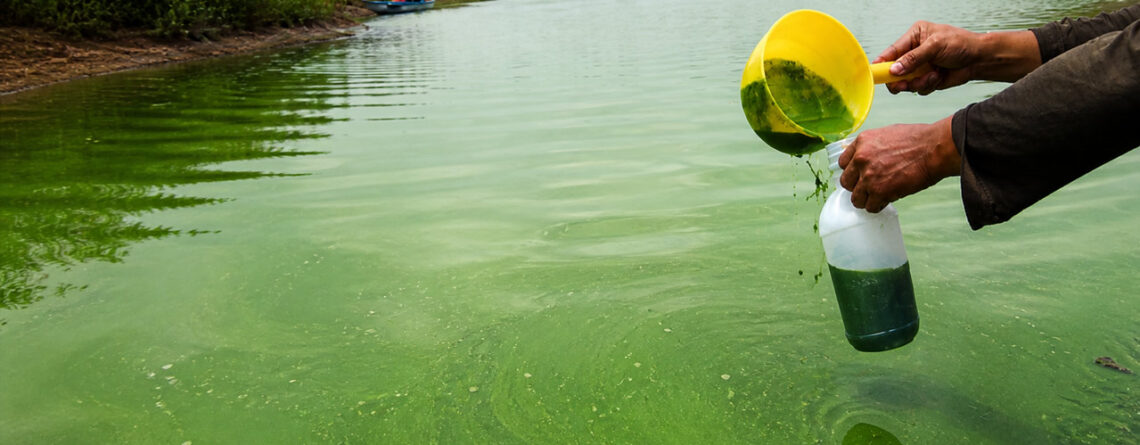
Microcystins in Tap Water: A Risk Not to Be Underestimated

What are microcystins Cyanobacteria are photosynthetic prokaryotic microorganisms, often incorrectly referred to as “blue-green algae.” Some species, such as Microcystis aeruginosa, produce toxins that can be harmful to human health, known as microcystins. The formation of cyanobacteria is often linked to algal blooms, meaning a rapid increase in their concentration during specific periods. This phenomenon occurs under particular conditions, such as the presence of nutrients...
6 May

Microplastics, drinking water and human health

The presence of microplastics in water intended for human consumption is an emerging pollutant and a concerning one. Various international agencies (WHO, EFSA, European Union and EPA) have begun monitoring the issue. The first steps have involved defining a standard methodology for measuring them (EU Decision 2024/1441). Link: https://eur-lex.europa.eu/legal-content/EN/ALL/?uri=OJ%3AL_202401441 In December 2025, the European Parliament tasked EFSA (European Food Safety Authority) with conducting...
21 Apr

Thickness, Pressure and Temperature: Why a More Robust Filter Really Makes a Difference

In the field of water filtration systems, component reliability is never a matter of chance. A filter failure can cause serious damage. Material, geometry and wall thickness determine a product’s ability to withstand real operating conditions over time: variable pressures, fluctuating temperatures and cyclic stress. The image below shows a polyethylene filter from a competing product that suffered a longitudinal crack, a typical...